

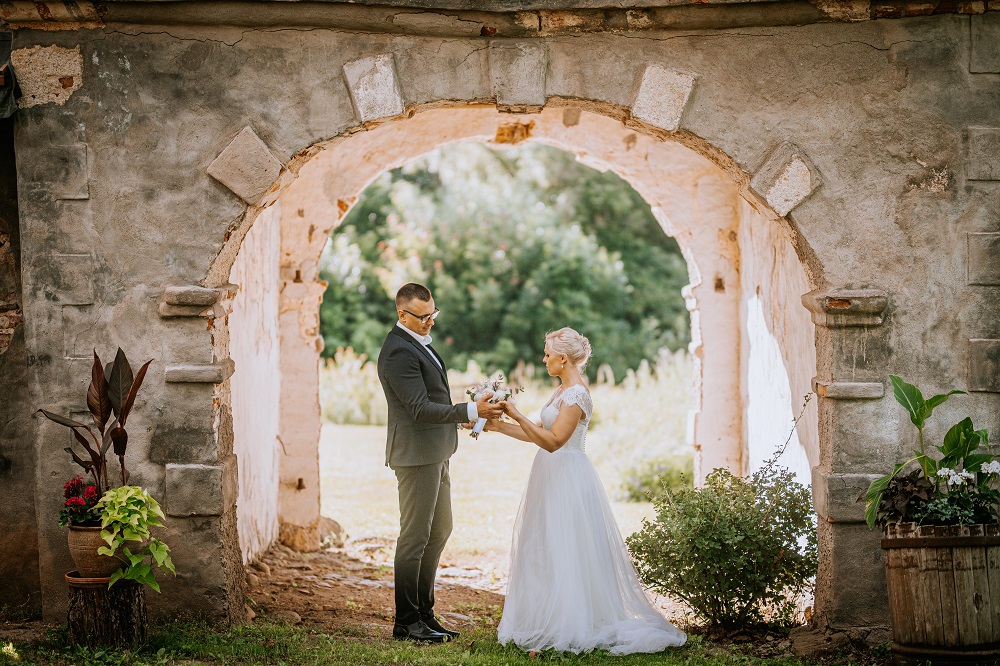
A wedding is more than a ceremonial event—it marks the beginning of a shared journey between two individuals and their families. Across cultures, weddings symbolize commitment, celebration, tradition, and hope for the future. Today, couples blend heritage with personal style, creating experiences that reflect both identity and emotion.
This guide explains the significance of weddings, key rituals, planning essentials, popular styles, and emerging trends shaping modern celebrations.
What Is a Wedding?
A wedding is a formal ceremony that celebrates the union of two people in marriage. While rituals differ across regions and religions, the central purpose remains the same: to recognize commitment in front of family, community, and often spiritual authority.
Typical elements include:
- Exchange of vows
- Symbolic rituals
- Blessings from elders or officiants
- Celebration with guests
- Shared meals and festivities
Beyond ceremony, weddings strengthen social bonds and create lasting memories.
Cultural Significance of Weddings
Across the world, weddings reflect community values and traditions.
Social Importance
Weddings bring together families and communities, reinforcing relationships and shared heritage. In many societies, they also symbolize:
- Unity between families
- Continuity of traditions
- Social recognition of partnership
- Collective celebration of life milestones
Emotional Meaning
For couples, weddings represent:
- Commitment
- Partnership
- Trust
- Shared aspirations for the future
These emotional foundations make the event deeply personal despite its public nature.
Essential Wedding Rituals Around the World
Wedding customs vary widely but often carry symbolic meanings.
Exchange of Vows
This moment expresses promises of loyalty, support, and companionship. It is usually the emotional center of the ceremony.
Ring Ceremony
Wedding rings symbolize endless commitment and unity.
Blessings from Elders
Many traditions include blessings from parents or community leaders, representing guidance and acceptance.
Shared Ritual Acts
Examples include:
- Lighting unity candles
- Tying ceremonial knots
- Walking around sacred fires
- Sharing ceremonial food
Each act carries cultural meaning and strengthens symbolic connection.
Types of Wedding Styles
Modern couples choose wedding styles based on personality, culture, and budget.
Traditional Weddings
These follow established customs and rituals passed through generations. They emphasize family participation and cultural identity.
Destination Weddings
Destination weddings take place at scenic or meaningful locations such as beaches, mountains, or heritage sites.
Benefits include:
- Intimate guest lists
- Unique experiences
- Memorable travel opportunities
Minimalist Weddings
Minimalist weddings focus on simplicity and authenticity rather than elaborate decoration.
Common features:
- Smaller gatherings
- Clean décor
- Personal storytelling elements
Themed Weddings
Themes reflect interests, aesthetics, or shared passions.
Popular examples:
- Vintage-inspired ceremonies
- Garden weddings
- Royal-style celebrations
- Cultural fusion weddings
Key Steps in Wedding Planning
Successful wedding planning requires organization and thoughtful decisions.
Set a Budget
Determine spending priorities early. Allocate funds for:
- Venue
- Catering
- Clothing
- Photography
- Decorations
- Entertainment
A clear budget prevents unnecessary stress later.
Choose the Venue
The venue shapes the entire experience. Consider:
- Guest capacity
- Accessibility
- Weather conditions
- Cultural suitability
Prepare the Guest List
A well-structured guest list helps control costs and logistics.
Include:
- Immediate family
- Close relatives
- Friends
- Essential community members
Select Attire
Wedding attire reflects personality and tradition. Couples often balance cultural expectations with modern fashion preferences.
Plan the Timeline
Create a structured timeline covering:
- Invitations
- Ceremony rehearsal
- Vendor bookings
- Event-day schedule
Planning ahead improves coordination and reduces last-minute challenges.
Popular Wedding Trends Today
Contemporary weddings emphasize personalization and meaningful experiences.
Personalized Ceremonies
Couples increasingly write their own vows and include unique rituals reflecting shared values.
Eco-Friendly Weddings
Sustainable choices are becoming popular:
- Digital invitations
- Local flowers
- Reusable décor
- Reduced food waste
Technology Integration
Modern weddings often include:
- Live streaming ceremonies
- Digital photo sharing
- Online RSVP systems
These features make events more accessible for distant guests.
Experience-Based Celebrations
Instead of large formal receptions, some couples prefer:
- Interactive food stations
- Cultural performances
- Travel-focused celebrations
This creates memorable experiences for guests.
Role of Family and Community in Weddings
Family involvement adds emotional strength and cultural continuity to wedding celebrations.
Important contributions include:
- Hosting traditional rituals
- Offering blessings
- Supporting logistics
- Strengthening social connections
Community participation often transforms weddings into collective celebrations rather than private events.
Importance of Wedding Photography and Memories
Photography preserves meaningful moments that cannot be recreated later.
Professional documentation captures:
- Emotional expressions
- Ritual highlights
- Family interactions
- Celebration atmosphere
These memories become part of family history for generations.
How Weddings Strengthen Relationships
Weddings mark the beginning of partnership responsibilities and shared growth.
They encourage:
- Mutual understanding
- Financial planning cooperation
- Emotional support systems
- Shared decision-making habits
This foundation supports long-term relationship stability.
Frequently Asked Questions (FAQs)
1. How early should wedding planning begin?
Most couples begin planning 6 to 12 months in advance to secure venues, vendors, and preferred dates comfortably.
2. What is the most important part of a wedding ceremony?
The exchange of vows is generally considered the most meaningful moment because it represents mutual commitment.
3. How can couples manage wedding stress effectively?
Creating a timeline, setting realistic expectations, and delegating responsibilities to family members can reduce stress significantly.
4. Is it necessary to follow traditional wedding customs?
No. Couples may adapt, modify, or personalize traditions according to their preferences and cultural comfort.
5. What factors influence wedding budgets the most?
Major expenses usually include venue selection, catering, attire, photography, and guest count.
6. How can couples make their wedding more memorable for guests?
Adding interactive experiences, meaningful storytelling elements, and personalized décor can create lasting impressions.
7. Why are smaller weddings becoming more popular today?
Smaller weddings allow deeper connections with guests, better budget control, and more personalized experiences.