

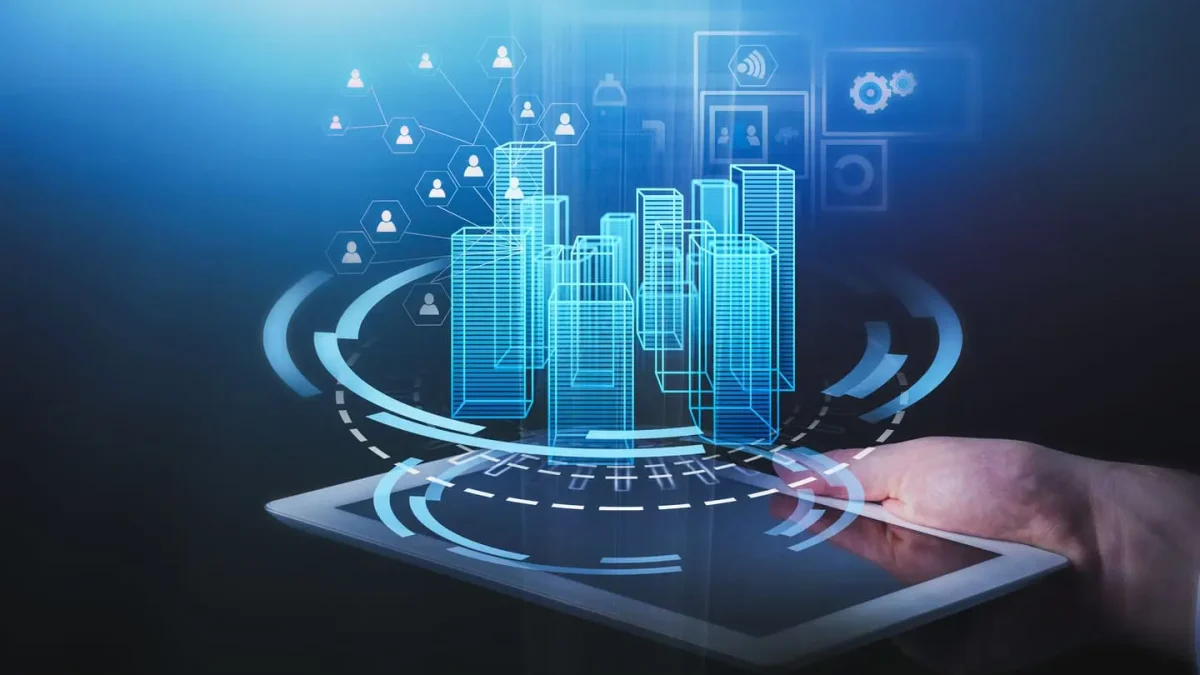

As the world pivots towards sustainable living, energy-efficient smart building technologies are spearheading a revolution in modern architecture and urban planning. The integration of these advanced systems is particularly relevant to the rapidly urbanising landscapes of Thailand. With its unique blend of traditional culture and futuristic aspirations, embracing smart buildings could redefine Thailand’s skyline while offering solutions to environmental challenges. This blog explores how cutting-edge smart technologies are transforming Thai spaces into hubs of efficiency, comfort, and sustainability.
The concept of smart buildings goes beyond mere automation; it’s about creating responsive environments that adapt to the needs of their occupants while minimising energy consumption. In Thailand, where rapid urban development is a constant, integrating building automation systems can significantly reduce the carbon footprint of new constructions. These systems enable real-time monitoring and control over various building operations such as lighting, heating, ventilation, and air conditioning (HVAC), ensuring optimal energy use without compromising on comfort.
One key advantage of smart building technologies is their ability to harness renewable energy sources effectively. In a country blessed with abundant sunshine like Thailand, solar panels can be seamlessly integrated into building designs. Smart systems optimise solar power usage by storing excess energy or redirecting it when demand peaks. This not only reduces dependency on non-renewable energy sources but also aligns with Thailand’s commitment to increasing its share of clean energy as part of its national strategic plan for sustainable development.
Furthermore, the implementation of intelligent lighting solutions has transformed how we illuminate spaces in both residential and commercial settings across Thailand. By using sensors and automated controls, these systems adjust lighting based on occupancy and natural light availability—significantly reducing unnecessary electricity consumption. For instance, lights in common areas or offices automatically dim or switch off when no motion is detected or when daylight suffices for illumination needs.
Another significant aspect is the impact on occupant well-being—a crucial consideration in modern Thai architecture that often emphasises harmony between human life and nature. Smart technologies contribute to healthier indoor environments by maintaining optimal air quality through advanced HVAC management systems that adjust airflow based on indoor pollutants levels detected by sensors. This proactive approach not only enhances comfort but also contributes positively to productivity levels in workspaces by ensuring fresh air circulation consistently.
Smart building technologies facilitate better resource management through data analytics, a game changer for property managers in bustling Thai cities like Bangkok or Chiang Mai. Real-time data collection allows for predictive maintenance which preempts system failures before they occur, saving costs associated with repairs and downtime while extending equipment lifespan.
In conclusion, the adoption of energy-efficient smart building technologies offers a promising pathway toward sustainable urban development in Thailand. As these innovations continue to evolve alongside increasing awareness about climate change impacts and resource conservation needs within communities nationwide, the future indeed looks bright for those ready to embrace this technological shift wholeheartedly.
Related posts
Latest Posts
Recent Posts
- Why Temperature Control Matters Across The Supply Chain June 11, 2026
- Why Global Supply Chains Need Stronger Coordination June 10, 2026
- Why A Pre-Owned Boat Can Be The Smarter First Step Into Ownership March 31, 2026
- Advanced ethereum roulette gaming techniques for players March 16, 2026
- What Is the Best Leather Backpack for Men and What Separates a Great One from a Mediocre One? March 16, 2026
- How does online slot reel cloning duplicate entire columns? January 26, 2026
- Wedding: Meaning, Traditions, Planning Essentials, and Modern Trends January 24, 2026
- How Automation Tools Simplify Daily Business Operations January 23, 2026
- Smart Packing Tips For Stress-Free Trips Abroad January 20, 2026