

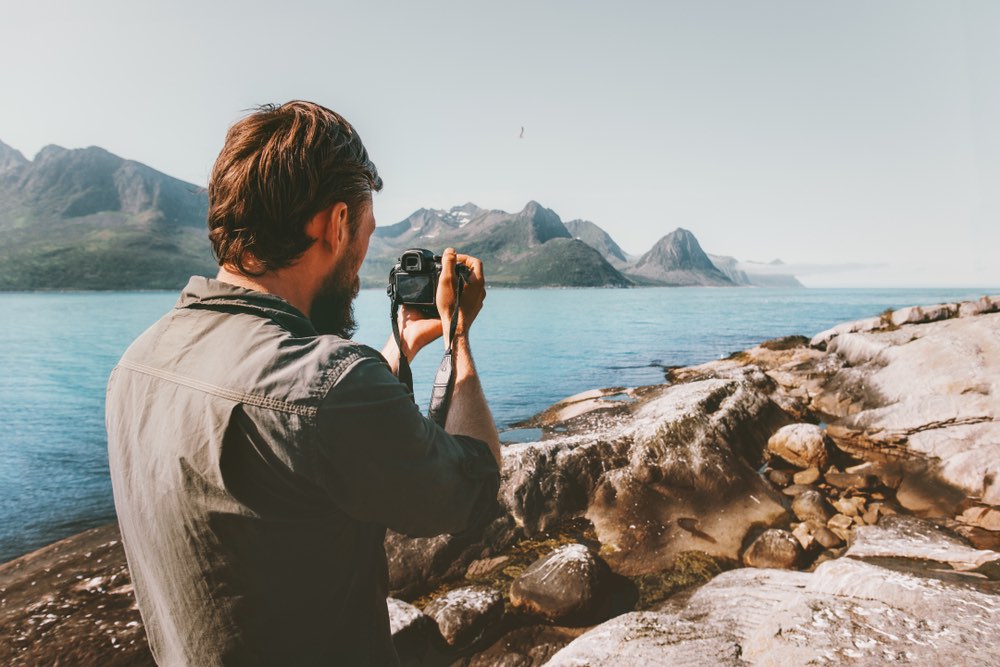
Travel photography offers a rich tapestry of subjects, from stunning landscapes to vibrant cultural scenes. One compelling aspect to explore is incorporating local wildlife into your shots. Including animals in your travel photos not only adds a dynamic element but also provides a deeper sense of the environment you’re capturing. Here’s how to effectively incorporate local wildlife into your travel photography.
1. Research the Local Wildlife
Understanding the wildlife of your destination is crucial for capturing them effectively.
- Know the Species: Research which animals are native to the area you’re visiting. This includes not only identifying them but also understanding their habits and preferred environments. Knowing what wildlife to expect helps you plan your shoots better.
- Seasonal Patterns: Wildlife activity can vary with the seasons. Some animals may be more visible during certain times of the year, so understanding seasonal patterns can enhance your chances of getting great shots.
2. Choose the Right Equipment
Selecting appropriate gear can significantly impact the quality of your wildlife photography.
- Telephoto Lens: A telephoto lens allows you to capture animals from a distance without disturbing them. It’s particularly useful for photographing shy or elusive species.
- Tripod: A tripod helps stabilize your camera, especially useful for long shots or low light conditions. It also aids in reducing camera shake and maintaining focus on moving subjects.
- Binoculars: While not directly part of your photography gear, binoculars can help spot wildlife from afar and plan your approach.
3. Respect Wildlife and Their Habitats
Ethical considerations are paramount when photographing wildlife.
- Maintain a Safe Distance: Always observe animals from a respectful distance. Avoid getting too close or causing them stress. Use your lens’ zoom capabilities to capture intimate details without intruding.
- Minimize Impact: Be mindful of your surroundings and avoid disrupting the wildlife or their habitat. Stick to marked paths and avoid trampling vegetation or disturbing nests.
4. Observe and Understand Behavior
Capturing wildlife effectively requires understanding their behavior.
- Patience is Key: Wildlife photography often requires waiting for the right moment. Be patient and observe the animals’ routines and behaviors to anticipate when and where they will be most active.
- Body Language: Pay attention to the animals’ body language. This can help you understand their mood and predict their next actions, allowing you to capture more meaningful and dynamic shots.
5. Focus on Composition and Lighting
Good composition and lighting can make a significant difference in wildlife photography.
- Rule of Thirds: Position the animal off-center using the rule of thirds. This technique often results in a more engaging and balanced photograph.
- Natural Light: Use natural light to your advantage. Early morning or late afternoon light provides a warm, soft glow that enhances the texture and color of your subject. Avoid harsh midday light that can create unflattering shadows.
- Background: Ensure the background complements rather than distracts from your subject. A blurred background (achieved through aperture settings) helps keep the focus on the animal.
6. Capture Action and Interaction
Dynamic shots often involve movement and interaction.
- Action Shots: Capture animals in motion to convey a sense of vitality and activity. Whether it’s a bird in flight or a predator on the hunt, action shots can be particularly compelling.
- Interactions: Photographing interactions between animals or between animals and their environment can provide insight into their behavior and social structures. These shots can also add depth and interest to your portfolio.
7. Experiment with Different Perspectives
Trying various perspectives can yield unique and engaging images.
- Eye Level Shots: Photographing animals at their eye level often creates a more intimate and engaging perspective. It allows viewers to connect with the subject on a more personal level.
- Wide Shots: Use wide-angle shots to capture animals within their environment. This approach can highlight their interaction with the surroundings and give context to their behavior.
8. Post-Processing Techniques
Post-processing can enhance your wildlife photos and help you achieve your desired outcome.
- Adjust Exposure and Contrast: Fine-tune exposure and contrast to bring out details in both highlights and shadows. This adjustment helps in capturing the textures and colors more vividly.
- Crop and Frame: Crop your images to improve composition or remove distracting elements. However, be cautious not to crop too tightly, which may reduce the image quality.
9. Share Your Stories
Integrating local wildlife into your travel photography also involves sharing the stories behind your images.
- Describe the Experience: Accompany your photos with descriptions of your experience and observations. Sharing insights about the wildlife and their behavior can add value and context to your images.
- Educate and Inspire: Use your photographs to raise awareness about wildlife conservation and inspire others to appreciate and protect these creatures.
Incorporating local wildlife into your travel photography enriches your visual storytelling and provides a deeper connection to the places you visit. By researching, using the right equipment, respecting wildlife, and focusing on composition, you can create compelling images that highlight the beauty and behavior of the animals you encounter. Whether capturing fleeting moments of action or serene portraits, these tips will help you approach wildlife photography with both creativity and sensitivity.