

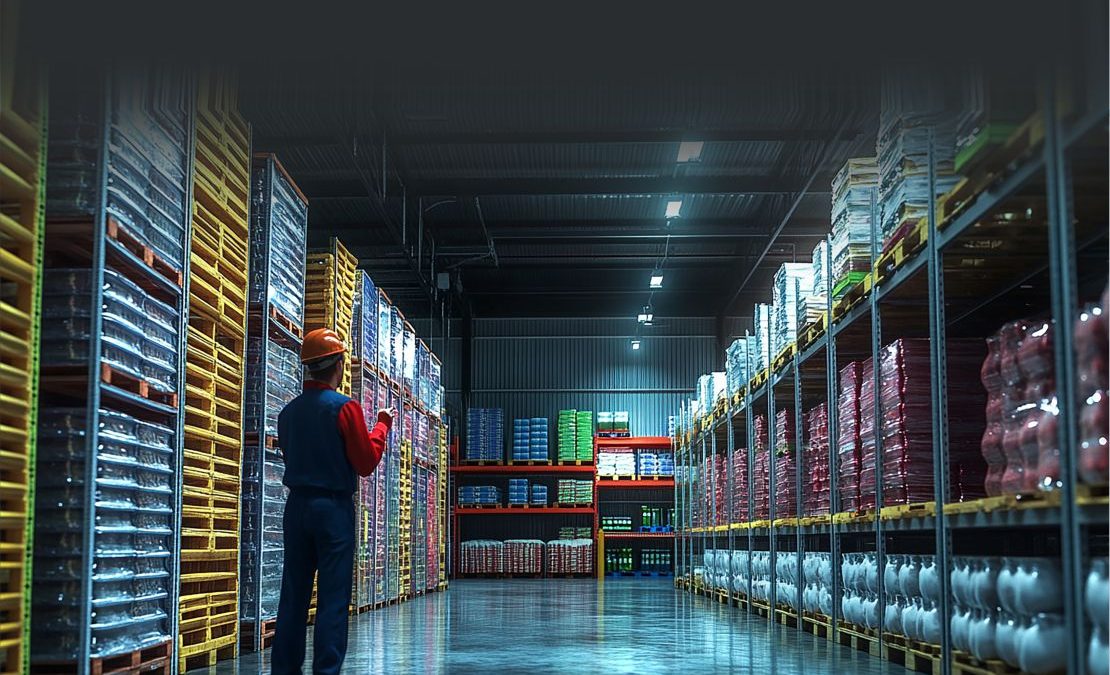
Some products can tolerate delays, handling changes and ordinary warehouse conditions. Others cannot. Food, pharmaceuticals, healthcare products, ingredients and certain chemicals may all depend on controlled temperatures from the moment they leave production to the point they reach the end user. Reliable cold chain logistics helps protect product quality by keeping storage, handling and transport conditions consistent throughout the journey.
The Chain Is Only As Strong As Its Weakest Point
Temperature-sensitive goods need more than one refrigerated vehicle or one chilled room. The whole process has to work together. If a product is stored correctly but left waiting too long during loading, quality can still be affected. If transport is well controlled but delivery points are unprepared, the risk moves to the final stage.
This is why the word “chain” matters. Every handover, storage period, route, loading bay and delivery window becomes part of the product’s protection. A weak point does not have to last long to create problems.
Good cold chain planning looks at the full journey rather than treating storage and transport as separate tasks. It considers how goods move, where delays may happen and what controls are needed at each stage.
Different Products Need Different Conditions
Not all temperature-sensitive products require the same environment. Frozen food, chilled dairy, fresh produce, vaccines, pharmaceuticals and specialist ingredients may all have different temperature ranges, handling requirements and shelf-life considerations.
This means cold chain logistics should not rely on a one-size-fits-all approach. The right setup depends on the product’s sensitivity, packaging, journey time, regulatory requirements and destination.
For example, fresh produce may need conditions that protect appearance and texture, while pharmaceutical goods may require stricter monitoring and documentation. A small temperature variation might be manageable for one product but unacceptable for another.
Understanding the product properly is the starting point for building the right logistics process.
Monitoring Builds Confidence
Temperature control is not only about equipment. It is also about visibility. Businesses need confidence that goods have remained within the required range, especially when products are valuable, regulated or time-sensitive.
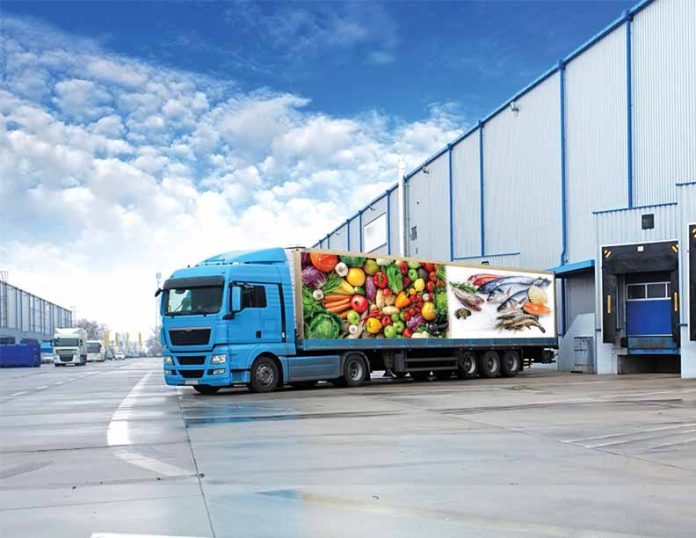
Monitoring systems can help track conditions during storage and transport. This creates a clearer record of what has happened, making it easier to identify issues, respond quickly and provide evidence if quality questions arise.
For businesses, this visibility can reduce uncertainty. Instead of relying on assumptions, teams can make decisions based on data. If a problem occurs, they can understand where it happened and whether the goods are still safe or suitable for use.
Planning Reduces Waste
Poor temperature control can lead to waste, rejected deliveries, reduced shelf life and damaged customer relationships. In sectors where margins are tight or products are high value, these losses can be significant.
Effective cold chain planning helps reduce those risks. It can support better route planning, shorter waiting times, suitable storage capacity and clearer coordination between suppliers, warehouses, transport teams and customers.
Waste is not only a financial issue. In food and healthcare supply chains, product loss can also affect availability and sustainability. Protecting goods properly helps businesses make better use of the products they have already produced, bought or imported.
Reliability Supports Customer Trust
Customers may never see the logistics work behind a product, but they will notice if quality fails. A restaurant receiving poor-quality chilled ingredients, a retailer dealing with spoiled stock or a healthcare provider facing delayed temperature-sensitive supplies may quickly lose confidence in the supplier.
Reliable cold chain logistics helps protect that trust. It shows that the business takes quality, safety and delivery standards seriously.
As supply chains become more complex, temperature control is not a background detail. It is part of the product promise. When cold chain processes are planned carefully and managed consistently, businesses can move sensitive goods with greater confidence from start to finish.
Why Temperature Control Matters Across The Supply Chain
Related posts
Latest Posts
Recent Posts
- Why Temperature Control Matters Across The Supply Chain June 11, 2026
- Why Global Supply Chains Need Stronger Coordination June 10, 2026
- Why A Pre-Owned Boat Can Be The Smarter First Step Into Ownership March 31, 2026
- Advanced ethereum roulette gaming techniques for players March 16, 2026
- What Is the Best Leather Backpack for Men and What Separates a Great One from a Mediocre One? March 16, 2026
- How does online slot reel cloning duplicate entire columns? January 26, 2026
- Wedding: Meaning, Traditions, Planning Essentials, and Modern Trends January 24, 2026
- How Automation Tools Simplify Daily Business Operations January 23, 2026
- Smart Packing Tips For Stress-Free Trips Abroad January 20, 2026