

Automobiles—commonly called cars—are among the most transformative inventions of modern civilization. They reshaped transportation, enabled economic growth, and changed how people live, work, and travel. Today’s vehicles combine engineering precision, digital intelligence, safety systems, and environmental awareness to meet evolving mobility needs.
This article explores what automobiles are, their types, essential components, benefits, maintenance tips, and the future of the automotive industry.
What Is an Automobile?
An automobile is a self-propelled motor vehicle designed primarily for passenger transportation. Unlike early horse-drawn carriages, automobiles rely on internal combustion engines or electric motors to operate independently.
Modern automobiles typically include:
- A power source (engine or battery)
- A transmission system
- A chassis and suspension
- A steering mechanism
- Safety and control electronics
These systems work together to ensure performance, comfort, and safety on the road.
Types of Automobiles Available Today
Automobiles are categorized based on size, fuel type, and purpose. Understanding these categories helps buyers choose the right vehicle.
1. Hatchback Cars
Hatchbacks are compact and fuel-efficient vehicles ideal for city driving.
Key advantages:
- Easy maneuverability
- Affordable pricing
- Efficient mileage
- Practical cargo access
They are especially popular among urban drivers and first-time car owners.
2. Sedan Cars
Sedans offer a balance between comfort, performance, and style.
Common features include:
- Spacious interiors
- Smooth ride quality
- Better highway stability
- Elegant design
These vehicles suit both families and professionals.
3. SUVs (Sport Utility Vehicles)
SUVs are known for strong road presence and versatility.
Benefits include:
- Higher ground clearance
- Larger seating capacity
- Off-road capability
- Strong safety perception
They are widely preferred for long journeys and rough terrain travel.
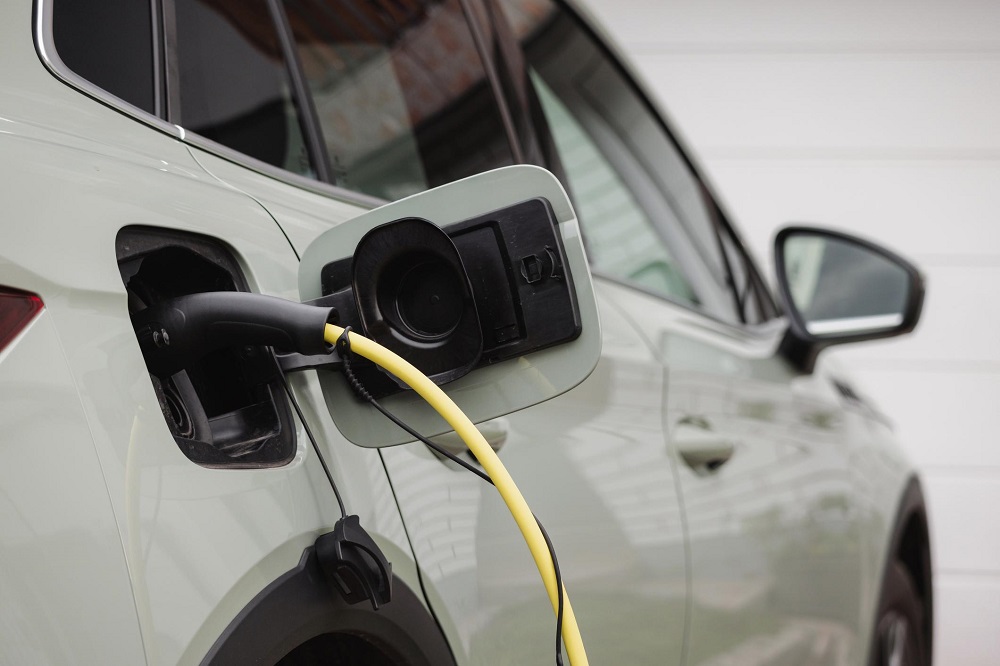
4. Electric Vehicles (EVs)
Electric vehicles run on battery-powered motors instead of fuel engines.
Major advantages:
- Zero tailpipe emissions
- Lower running costs
- Silent driving experience
- Reduced maintenance requirements
EV adoption is increasing rapidly across the world.
Major Components of an Automobile
Understanding vehicle structure helps drivers appreciate how automobiles function efficiently.
Engine or Motor
The engine converts fuel into mechanical energy. In electric cars, the electric motor replaces traditional engines.
Transmission System
It transfers power from the engine to the wheels and controls speed variations.
Types include:
- Manual transmission
- Automatic transmission
- Continuously Variable Transmission (CVT)
Braking System
Ensures vehicle safety by controlling motion and stopping power.
Modern cars include:
- Disc brakes
- Anti-lock braking system (ABS)
- Electronic brake assist
Suspension System
Provides comfort by absorbing road shocks and maintaining tire contact with the surface.
Steering System
Allows directional control and stability while driving.
Benefits of Automobiles in Daily Life
Automobiles play a critical role in modern society.
Key benefits include:
- Faster transportation
- Improved accessibility to remote locations
- Economic growth through logistics and trade
- Increased employment opportunities
- Enhanced personal convenience
They support industries ranging from healthcare to agriculture and tourism.
Essential Safety Features in Modern Cars
Safety technology has advanced significantly in recent years.
Important safety systems include:
- Airbags
- ABS braking system
- Electronic stability control
- Rear parking sensors
- Lane-assist technology
- Adaptive cruise control
These innovations help reduce accidents and protect passengers effectively.
Basic Automobile Maintenance Tips
Regular maintenance ensures long vehicle life and optimal performance.
Follow these simple practices:
- Check engine oil periodically
- Maintain correct tire pressure
- Inspect brake performance
- Replace air filters regularly
- Keep battery terminals clean
- Follow scheduled servicing
Proper care improves mileage and prevents unexpected breakdowns.
Future of the Automobile Industry
The automotive sector is undergoing a major transformation driven by innovation and sustainability goals.
Emerging trends include:
- Electric mobility expansion
- Autonomous driving technology
- Connected smart vehicles
- Hydrogen fuel development
- Advanced driver-assistance systems (ADAS)
These developments aim to make transportation cleaner, safer, and more efficient.
Conclusion
Automobiles remain essential to modern mobility and economic development. From compact city cars to advanced electric vehicles, the industry continues evolving with new technologies and smarter solutions. Understanding vehicle types, features, and maintenance basics helps individuals make informed decisions and enjoy safer driving experiences.
Frequently Asked Questions (FAQs)
1. How do automatic cars differ from manual cars?
Automatic cars shift gears on their own, while manual cars require the driver to change gears using a clutch and gear lever.
2. What factors affect a car’s resale value?
Resale value depends on mileage, service history, brand reliability, accident record, and overall vehicle condition.
3. Is car insurance mandatory?
Yes, basic third-party car insurance is legally required in many countries to cover damages caused to others.
4. How often should tires be replaced?
Tires usually need replacement after 40,000–50,000 km, depending on driving habits and road conditions.
5. What is the role of vehicle alignment?
Wheel alignment ensures proper tire positioning, improves handling stability, and prevents uneven tire wear.
6. Why is fuel efficiency important when buying a car?
Higher fuel efficiency reduces operating costs and lowers environmental impact over time.
7. What documents are required when purchasing a new vehicle?
Typical requirements include identity proof, address proof, insurance papers, and vehicle registration documents.